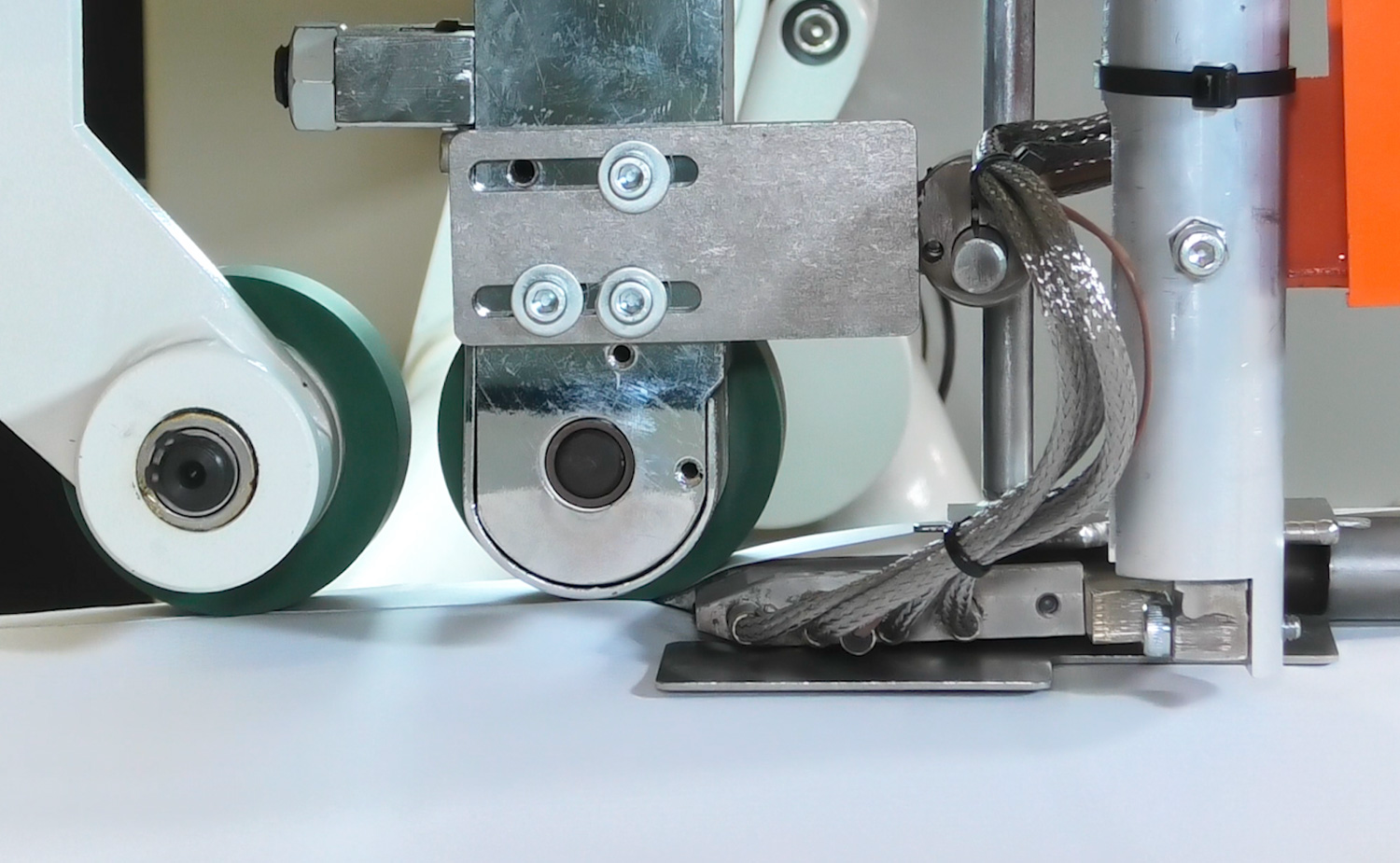

Soldadura industrial por cunha a quente utiliza uma cunha aquecida, posicionada com precisão num ponto de soldadura, para fundir e soldar materiais termoplásticos. Utilizando rolos de pressão dupla, o material ou película é depois puxado através da cunha aquecida para criar uma costura duradoura.
Frequentemente associada à tecnologia industrial de soldadura por ar quente, a soldadura por cunha quente reduz os custos, melhora a eficiência e aumenta a qualidade geral do produto. Ambos unem materiais termoplásticos para criar costuras herméticas e estanques, bem como costuras curvas e rectas, para criar produtos fortes e duradouros.
Embora a soldadura por cunha quente industrial ofereça aos fabricantes vantagens inegáveis, uma aplicação pode funcionar melhor do que a outra. Para o ajudar a decidir se está na altura de investir numa solução de soldadura por cunha quente, descrevemos abaixo as principais vantagens, aplicações e muito mais.
Neste guia:
- How hot wedge welding works
- Top benefits of hot wedge welding
- Hot wedge welding applications
- Which materials can be hot wedge welded?
- Hot wedge welding vs. sewing, adhesives, and RF
- Tips for strong hot wedge seams
- Choosing the right hot wedge technology
- Perguntas frequentes
Como funciona a soldadura por cunha quente
Hot wedge welding joins two layers of thermoplastic fabric or film with heat and pressure, without thread, needle holes, or adhesives. It happens in three steps:
- Heat: A heated metal wedge sits between the two layers and softens both surfaces by direct contact.
- Press: Pressure rollers right behind the wedge press the softened surfaces together and pull the material through the machine.
- Cool: The seam cools and sets into one airtight, watertight bond.
Because the heat comes from direct contact rather than moving air, hot wedge welding delivers steady heat and runs quietly. Seam quality depends on three settings working together: wedge temperature, travel speed, and roller pressure. See how temperature, speed, and pressure affect PP and PE seams.
Principais benefícios da soldadura por cunha quente
Industrial hot wedge welding technology offers specific benefits, dependent on each application. However, this technology is designed to increase production speed, enhance quality and improve overall consistency of products, specifically those that require a long, straight seam.
Consider the following benefits of an industrial hot wedge welding solution
- Aumentar o tempo de vida útil dos produtos. Produzir costuras rectas herméticas e estanques para aumentar a longevidade dos produtos e materiais soldados.
- Construir um produto feito de tecido muito grosso. Criar produtos resistentes soldando várias camadas de materiais.
- Permitir um ambiente de trabalho mais silencioso. Eliminar o ruído criado durante o processo de fabrico quando o equipamento está a ser utilizado.
- Higher speed. Weld at up to 21 m/min (69 ft/min), depending on the machine, material and seam.
Principais aplicações da tecnologia de soldadura por cunha quente
A tecnologia industrial de cunha quente é frequentemente utilizada para criar um produto feito de películas, materiais revestidos, materiais laminados e/ou que necessitem de uma costura longa e reta. Os produtos que beneficiam da tecnologia de cunha quente variam em tamanho e espessura, mas todos têm o mesmo objetivo em mente: materiais resistentes e duradouros.
Os produtos que frequentemente mais beneficiam da utilização da tecnologia de soldadura por cunha quente são
Que materiais podem ser soldados com a tecnologia de cunha quente?
Ao avaliar as suas necessidades de soldadura, é também crucial determinar se os seus materiais são soldáveis utilizando a tecnologia de soldadura por cunha quente. Os tecidos e películas termoplásticos industriais são normalmente ideais para a soldadura por cunha quente, incluindo
- Poliuretano (PU)
- Polipropileno (PP)
- Policloreto de vinilo (PVC)
- Polietileno (PE)
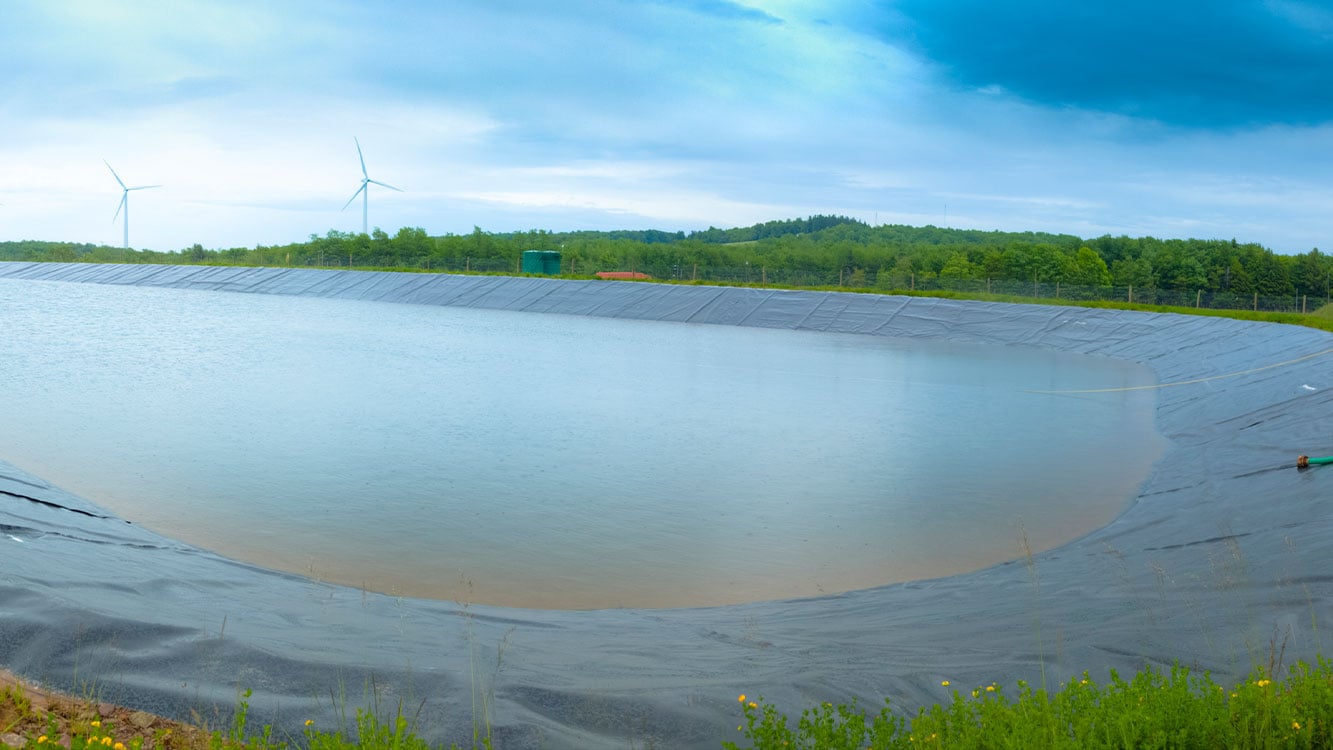
Hot wedge welding is generally not suitable for nonwoven geotextiles. For pond, landfill, and containment liners, see hot wedge welding for geomembranes and liners.
Hot Wedge Welding vs. Sewing, Adhesives, and RF
Here is how hot wedge welding compares with other ways to join industrial fabrics:
| Método | Strengths | Limits |
|---|---|---|
| Costura | Familiar, low upfront cost | Needle holes can leak, and thread wears over time |
| Adhesive bonding | Works on complex shapes | Curing time slows production |
| RF welding | Complex patterns and selective bonding in PVC and polyurethane | Only RF-suitable materials; higher equipment cost |
| Soldagem por cunha quente | Fast, airtight, watertight seams; cost-effective for long, straight seams and large-format materials | Needs welding equipment; best suited to straight seams |
Choosing between the two most common heat welding methods? Compare hot wedge vs. hot air welding.
Tips for Strong Hot Wedge Seams
Prepare the Material
- Clean: Remove dirt, dust, and oil that could interfere with bonding.
- Align: Line up the fabric layers so the seam runs straight and even.
- Test: Weld samples to find the right temperature and speed before production.
Fine-Tune the Process
- Adjust for thickness: Thicker materials usually need slower speeds and more heat.
- Keep pressure even: Even roller pressure gives a uniform seam.
- Check as you go: Inspect seams during production to catch defects early.
Avoid Common Mistakes
- Wrong temperature: Too much heat damages the material; too little leaves a weak bond.
- Skipped maintenance: Clean and inspect the wedge and rollers regularly.
- Too little training: Well-trained operators make fewer errors.
Como determinar qual a tecnologia de cunha quente mais adequada para os seus processos, produto ou aplicação
Encontrar a solução de cunha quente industrial certa dependerá de uma variedade de factores, tais como materiais, processos existentes e equipamento atual. Ao examinar as opções tecnológicas disponíveis, trabalhe em estreita colaboração com um especialista em soldadura industrial experiente para atingir os seus objectivos e personalizar a sua solução.
Considere as seguintes opções tecnológicas durante o seu processo de verificação:
- T3 Extreme. Esta máquina de soldar produz todas as costuras necessárias para um fabricante de faixas e sinais e foi concebida a pensar nas pequenas empresas.
- T300 Extreme Flex. Sendo uma máquina de soldar universal, esta tecnologia utiliza tecnologias de ar quente e de cunha quente com uma variedade de tipos de costura.
- T300 Extreme Shade. Com o design simples desta máquina de soldar, controla a construção consistente e fácil de produtos.
- T600 Extreme Flex. Esta tecnologia utiliza soluções de soldadura por ar quente ou por cunha quente com uma variedade de tipos de costura e um suporte alargado de manuseamento de tecido para uma construção de produtos consistente e fácil com uma conceção e controlos eficientes e simples.
- Triad Extreme Universal. A portable hot wedge welder that runs at about 10 m/min (33 ft/min) and welds either stationary or traveling on a tabletop track.
Ao avaliar as opções tecnológicas, coloque também a si próprio e ao seu parceiro de fabrico as seguintes questões:
- Que tipos de materiais termoplásticos são soldáveis utilizando a soldadura por cunha quente?
- Uma solução de soldadura por cunha quente funcionará com o meu equipamento atual? Ou será necessário efetuar uma revisão completa?
- Os meus produtos necessitam de uma costura longa e direita?
- Qual é o meu objetivo de produção de produtos?
- Os meus produtos contêm película?
- Pretendo reduzir o ruído criado durante o processo de fabrico?
- Preciso de combinar várias tecnologias para ampliar o meu processo de fabrico (automação, ar quente, cunha quente)?
Pronto para saber mais sobre a tecnologia de cunha quente industrial?
Interessado em saber mais sobre as soluções de soldadura por cunha quente? Fale com um especialista Miller Weldmaster para obter mais informações sobre o melhor sistema para a sua aplicação.